

2026: When AI Fades into the Workflow, Are You Ready?
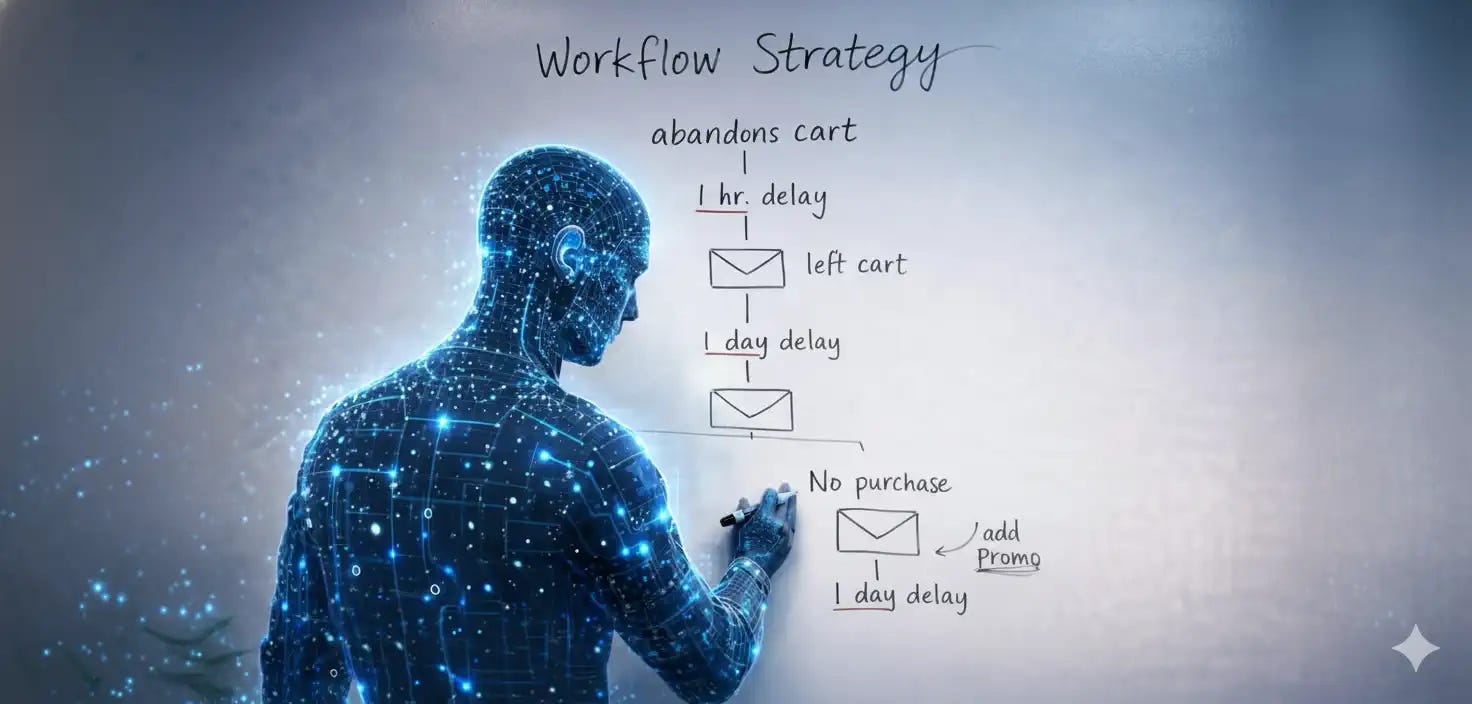
Happy New Year, everyone! Over the past few years, AI has consistently occupied the center stage of the tech world. But looking back from the start of 2026, I’ve noticed a significant shift: since late 2025, the obsession with “trillion-parameter models” and “leaderboard benchmarks” has gradually cooled. In its place is a sober, hands-on focus on the meticulous cultivation of AI Workflows.
If the past two years were characterized by most people experimenting with chatbots, today, AI has shattered the constraints of the chat box. Through CLI tools, MCP (Model Context Protocol), and various Slash commands, Skills, and SubAgents, AI is no longer just an external utility for experienced developers. Instead, it has become like a plugin, permeating every capillary of our terminals, editors, and even the operating system itself.
In this regard, macOS has demonstrated a serendipitous, natural advantage. Leveraging mature automation tools like AppleScript and Shortcuts, even non-developers can grant AI access to their private data without complex API development. This “old tech finding new life” has provided Apple with a new moat in the AI era. If this capability is fully unleashed on iOS through system-level Agents, we may see a profound reshaping of hardware device form factors.
Meanwhile, some manufacturers are taking a more “radical” approach. ByteDance’s Doubao phone attempts to “brute-force” control over everything at the system level by reading the screen and simulating interactions. Huawei, on the other hand, employs an A2A strategy, attempting to build a unified agent scheduling mechanism in the background. Regardless of the path, 2026 marks a singularity for the average consumer: AI is no longer a tool for conversation; it is explicitly or implicitly taking over our digital lives.
As the old saying goes: When a technology is no longer constantly talked about, it means it has truly integrated into our lives, becoming as indispensable as the blood in our veins.
However, the more seamless it becomes, the more vigilant we must be. As AI sinks deep into every detail of our workflows, privacy will become the ultimate luxury. In our pursuit of extreme automation and efficiency, the core challenges of 2026 will be how we choose our service providers, how we balance local versus cloud-based models, and how we preserve that last bit of symbolic “privacy.”
2026 is here. Have you started integrating AI into your workflow?
Previous Issue|Newsletter Archive
📢 Sponsor Fatbobman’s Swift Weekly
Promote your product to Swift & iOS developers across:
- Blog: 50,000+ monthly visitors
- Newsletter: 4,000+ subscribers, 53% open rate
Perfect for developer tools, courses, and services.
Enjoyed this issue? Buy me a coffee ☕️
Recent Recommendations
The Indie Developer’s Trial: Zipic’s Productization Journey from 0 to 1
Zipic is an image compression tool I’ve been using frequently. I’ve personally witnessed how this app evolved from a small workplace necessity into an efficient, refined, and focused successful product through the continuous refinement by its author Shili. Indie developers often operate as a “one-person army,” constantly switching between strategy, design, development, distribution, and promotion. To uncover the story behind this journey, I invited Shili to review Zipic’s entire process from 0 to 1. The complete series consists of three chapters: product design (this article), distribution and sales without relying on the Mac App Store, and technical details review: SwiftUI pain points and performance bottlenecks.
Swift vs. Rust: 5 Surprising Facts Learned from the Ultimate Memory Management Showdown
In the developer community, discussions about Swift and Rust performance never cease. The conventional wisdom is: Swift is relatively slow due to Automatic Reference Counting (ARC), while Rust is renowned for its extreme speed and memory efficiency. However, Snow argues that these simple labels of “fast” and “slow” often obscure the fundamental differences in their design philosophies: Swift prioritizes developer experience and ecosystem compatibility, while Rust pursues ultimate performance and compile-time safety.
Through real-world examples, the article reveals five truths: Rust’s ownership rules are essentially zero-cost compile-time tools; Swift’s real performance burden comes from Objective-C compatibility rather than ARC itself; ARC’s core issue is performance unpredictability; for concurrency safety, Swift relies on runtime protection while Rust achieves compile-time guarantees; and why Swift cannot “become” Rust.
StoreKit Subscriptions: A Practical Guide
Based on years of iOS development experience and real-world cases, Mohammad Azam has written a comprehensive StoreKit subscription practical tutorial. The series covers: choosing monetization models (one-time purchases, subscriptions, consumable purchases, and hybrid strategies), paywall strategy comparison (trade-offs between soft/hard paywalls and subscription trials), onboarding experience design (evolving from static screenshots to an 8-step interactive onboarding that lets users experience core features and build emotional investment before paying), and complete technical implementation (App Store Connect configuration, StoreKit integration, and code examples for product loading and purchase flows).
Skip 2025 Retrospective and 2026 Roadmap
In 2025, with the official release of Swift SDK for Android on swift.org, Skip provided native compilation support through Skip Fuse, unlocking thousands of native Swift packages for use on Android. New dual-platform frameworks were added for NFC, Stripe, PostHog, Auth0, Socket.IO, and more. iOS 26’s introduction of the Liquid Glass interface style became a litmus test for cross-platform frameworks. Skip, by adopting a “fully native” strategy (using native SwiftUI on iOS and mapping to Jetpack Compose on Android), automatically supported the new interface on day one without requiring rewrites or workarounds. In 2026, Skip plans to continue expanding integrated frameworks, optimizing the Skip Fuse toolchain, and improving performance and developer experience.
How to use Claude Code
This is a practical guide compiled by Khoa Pham after months of intensive Claude Code usage. Core tips include detailed application scenarios for various modes, especially how to use Extended Thinking mode judiciously to avoid wasting tokens. It also covers essential keyboard shortcuts, context management techniques, MCP integration, VS Code and Chrome extensions, GitHub Actions integration, Git Worktrees parallel workflows, plugin ecosystem, and prompt best practices. The content is detailed, specific, and targeted—not just a simple feature introduction manual.
App Store Connect API Webhook|Automate CI/CD Workflows Seamlessly
Apple announced the App Store Connect API Webhook at WWDC 2025, supporting real-time push notifications for build status, app version status, TestFlight feedback, and other events. Zhong Cheng addresses the pain point of traditional polling methods requiring approximately 20 minutes of waiting after build uploads (wasting $1.24 per GitHub Runner instance), providing detailed instructions on applying this capability in CI/CD to achieve zero waiting costs; GitFlow merge-back timing can precisely align with actual app release time; developers can receive timely rejection notifications even with limited permissions.
Setting up Embedded Linux with WendyOS
WendyOS is a Linux distribution designed for embedded devices, written in Swift, aiming to bring the convenience of iOS development to the embedded domain. Joannis Orlandos provides a complete getting-started tutorial in this article: from installing Homebrew and Wendy tools, flashing WendyOS to devices like Raspberry Pi/Jetson Orin Nano, connecting devices via USB, configuring WiFi, creating Swift projects (including wendy.json permission configuration), to using VSCode extensions for remote debugging (supporting breakpoints and state inspection). Suitable as an introductory tutorial for developers wanting to apply Swift to embedded devices or IoT scenarios.
Tools
Fucking Approachable Swift Concurrency
This is a learning resource created by Pedro Piñera, based on Matt Massicotte‘s Swift concurrency concepts, explaining core concepts like async/await, Task, Actor, and Sendable in an approachable way. Pedro uses an “Office Building” scenario to build intuitive mental models: comparing MainActor to a reception desk, actors to department offices, and await to knocking and waiting. Additionally, it provides a Skill.md file suitable for AI tools, allowing developers to directly embed these concurrency practices into their development workflow’s rule engine.
Dimillian’s Skills - iOS/Swift Development AI Agent Skills Collection
A Skills repository for iOS/Swift development created by Thomas Ricouard, containing six AI Agent Skills focused on practical workflows. Covers App Store Changelog generation (automatically generating release notes from git history), iOS Debugger Agent (building/debugging iOS projects using XcodeBuildMCP), Swift Concurrency Expert (fixing Swift 6.2 concurrency issues), SwiftUI Liquid Glass (implementing iOS 26+ Liquid Glass API), SwiftUI View Refactor (refactoring view structure and dependency patterns), and SwiftUI Performance Audit (reviewing performance bottlenecks and providing optimization recommendations).
StoreKit Helper - SwiftUI In-App Purchase Wrapper Library
A lightweight StoreKit 2 wrapper library developed by jaywcjlove, designed specifically for SwiftUI, greatly simplifying in-app purchase implementation. Compared to using the StoreKit 2 API directly, StoreKitHelper reduces approximately 70% of boilerplate code, making it particularly suitable for SwiftUI developers who need to quickly integrate in-app purchases without dealing with underlying complexity.
Core features include: @ObservableObject-based state management, protocol-driven type-safe product definitions, real-time transaction monitoring and automatic state updates, and built-in StoreKitHelperView and StoreKitHelperSelectionView UI components. Interface display can be easily controlled through hasNotPurchased/hasPurchased properties, supporting fluent API configuration for various purchase popup callbacks.
Jobs
macOS Systems Engineer
Photon is building open-source SDKs that let developers bring AI agents to interfaces that 99% of the world already knows how to use - iMessage, WhatsApp, phone calls, Discord, Signal, and more. On top of that, we’re building open-source Agent SDKs focused on interaction - things like multi-part messages, threading, reactions (Tapbacks), etc - so developers and enterprises can ship agents that actually feel human.
We are hiring a macOS Engineer. The ideal profile includes:
Deep understanding of macOS internals and how system components interact
Experience with macOS system analysis and debugging
Hands-on experience working with system-level APIs and low-level mechanisms
Strong curiosity and passion for exploring the undocumented side of Apple services
(Optional but a plus) Experience with iMessage, IMAgent, or related messaging infrastructure
We offer competitive compensation (US-based, remote-friendly). Photon is backed by top-tier investors.
Contact: ryan@photon.codes
This is a job posting from Photon, a friend’s startup team. They’re building infrastructure for AI Agents on platforms like iMessage/WhatsApp—it’s an early-stage project. If you’re interested in macOS low-level technologies and early startup opportunities, feel free to check it out.
Thanks for reading Fatbobman’s Swift Weekly! This post is public so feel free to share it.
2026:当 AI 隐入工作流,你准备好了吗?
大家新年好!在过去的几年中,AI 始终占据着科技界最耀眼的 C 位。但站在 2026 年的起点回看,我发现一个显著的转折:从 2025 年末开始,人们对“万亿参数”或“榜单跑分”的狂热逐渐褪去,取而代之的是对 AI 工作流深耕细作的冷静与实战。
如果说过去两年大多数人还在尝试如何与 Chat 机器人聊天,那么现在,AI 已经通过 CLI、MCP 以及各种 Slash、Skill、SubAgent,彻底打破了对话框的限制。对于有经验的开发者来说,AI 已经不再是一个外部工具,而是像插件一样,渗透进终端、编辑器乃至整个操作系统的每一个毛细血管。
在这一点上,macOS 展示了某种“无心插柳”的天然优势。借助 AppleScript 和快捷指令这些成熟的自动化工具,即便不通过复杂的 API 开发,普通用户也能让 AI 访问自己的私有数据。这种“老树发新芽”的现象,让苹果在 AI 时代拥有了新的护城河。而如果这种能力在 iOS 上通过系统级 Agent 完全释放,硬件设备的形态或许将迎来新一轮重塑。
与此同时,某些厂商的策略则更加“激进”。字节跳动的豆包手机尝试从系统底层通过屏幕读取与模拟交互来“暴力”接管一切;华为则通过 A2A(Agent to Agent)策略,试图在后台构建一套统一的代理调度机制。无论路线如何,2026 年对于普通消费者来说都标志着一个奇点的到来:AI 不再是聊天工具,而是显式或隐式地接管了我们的数字生活。
正如那句老话:当一个技术不再被反复提及,才说明它已真正融入生活,如同血液般不可或缺。
然而,越是无感,越要警惕。当 AI 深入工作流的每一个细节,隐私将成为最昂贵的奢侈品。在追求极致自动化与效率的同时,如何选择服务商、如何平衡本地与云端模型、如何保留最后一点象征性的“隐私”,将是我们在 2026 年必须面对的命题。
2026 来了,你开始将 AI 集成到自己的工作流中了吗?
如果您发现这份周报或我的博客对您有所帮助,可以考虑通过 爱发电,Buy Me a Coffee 支持我的创作。
近期推荐
独立开发者的试炼:Zipic 从 0 到 1 的产品化之路
Zipic 是我一直在高频使用的图片压缩工具,我亲眼见证了这个应用如何从一个职场工作的小需求,逐渐在作者 十里 的不断打磨下成长为一个高效、精致、专注的成功产品。独立开发者往往意味着“一人成军”,时刻在策略、设计、开发、分发与推广之间来回切换。为了挖掘这背后的故事,我邀请了十里复盘了 Zipic 从 0 到 1 的全过程。全文共分三个篇章:产品设计(本文)、不依赖 Mac App Store 的分发与售卖 以及 技术细节复盘:SwiftUI 痛点与性能瓶颈。
Swift vs. Rust:从内存管理的终极对决中学到的 5 个惊人事实
在开发者社区中,关于 Swift 和 Rust 性能的讨论从未停止。通常的看法是:Swift 因为自动引用计数(ARC)而相对较慢,而 Rust 则以其极致的速度和内存效率著称。但 Snow 认为,这种“快”与“慢”的简单标签往往掩盖了两者在设计哲学上的根本差异:Swift 优先开发体验和生态兼容,Rust 追求极致性能和编译时安全。
结合实际案例,文章揭示了五个真相:Rust 的所有权规则本质上是零开销的编译时工具;Swift 的真正性能包袱来自 Objective-C 兼容性而非 ARC 本身;ARC 的核心问题是性能的不可预测性;并发安全上 Swift 依赖运行时保护而 Rust 实现编译时保证;以及为何 Swift 无法“变成”Rust。
StoreKit 订阅实战指南 (StoreKit Subscriptions: A Practical Guide)
Mohammad Azam 基于多年 iOS 开发经验和真实案例,撰写了完整的 StoreKit 订阅实践教程。系列涵盖:变现模型选择(一次性购买、订阅、消耗型购买及混合策略)、付费墙策略对比(软/硬付费墙及订阅试用的权衡)、引导体验设计(从静态截图演进到 8 步交互式引导,让用户在付费前完成核心功能体验并建立情感投入)、以及完整的技术实现(App Store Connect 配置、StoreKit 集成、产品加载和购买流程的代码示例)。
Skip 2025 回顾与 2026 路线图 (Skip 2025 Retrospective and 2026 Roadmap)
在 2025 年,随着 Swift SDK for Android 在 swift.org 正式发布,Skip 通过 Skip Fuse 提供原生编译支持,解锁了数千个原生 Swift 包在 Android 上的使用。同时新增 NFC、Stripe、PostHog、Auth0、Socket.IO 等双平台框架。iOS 26 推出的 Liquid Glass 界面风格成为跨平台框架的试金石。Skip 因采用“完全原生”策略(iOS 上使用原生 SwiftUI,Android 上映射到 Jetpack Compose)而在第一天就自动支持新界面,无需重写或变通。在 2026 年 Skip 计划继续扩展集成框架、优化 Skip Fuse 工具链、提升性能和开发体验。
如何使用 Claude Code (How to use Claude Code)
这是一份 Khoa Pham 在高强度使用 Claude Code 数月后整理的实战指南。核心技巧包括各种不同模式的详细应用场景,尤其是如何合理使用 Extended Thinking 模式以避免浪费 Token。另外还涵盖了关键快捷键、上下文管理技巧、MCP 集成、VS Code 和 Chrome 扩展、GitHub Actions 集成、Git Worktrees 并行工作流、插件生态以及提示词最佳实践等众多内容。内容详实、具体、有针对性,并非简单的功能介绍手册。
App Store Connect API Webhook 串接|提升 iOS CI/CD 自动化效率与通知流程
苹果在 WWDC 2025 中发布了 App Store Connect API Webhook,支持构建状态、App 版本状态、TestFlight 反馈等事件的实时推送。Zhong Cheng 针对打包上传后传统 Polling 方式需等待约 20 分钟(GitHub Runner 浪费 $1.24/次)的痛点,详细介绍了如何在 CI/CD 中应用该能力,实现零等待成本;GitFlow 回 master 时机可精确对齐 App 实际发布时间;开发者权限受限时也能及时收到拒审通知。
使用 WendyOS 开发嵌入式 Linux 应用 (Setting up Embedded Linux with WendyOS)
WendyOS 是一个专为嵌入式设备设计的 Linux 发行版,用 Swift 编写,旨在将 iOS 开发的便捷性带到嵌入式领域。Joannis Orlandos 在本文中提供了完整上手教程:从安装 Homebrew 和 Wendy 工具、刷写 WendyOS 到树莓派/Jetson Orin Nano 等设备、通过 USB 连接设备、配置 WiFi、创建 Swift 项目(含 wendy.json 权限配置)到使用 VSCode 扩展进行远程调试(支持断点和状态检查)。适合想将 Swift 应用到嵌入式设备或 IoT 场景的开发者作为入门教程。
工具
Swift 并发:通俗易懂的学习指南 (Fucking Approachable Swift Concurrency)
这是一个由 Pedro Piñera 创建、基于 Matt Massicotte 的 Swift 并发理念整理的学习资源,用通俗易懂的方式解释 async/await、Task、Actor、Sendable 等核心概念。Pedro 通过 “Office Building(办公楼)” 这一场景,将 MainActor 比作前台、actor 比作部门办公室、await 比作敲门等待,帮助开发者建立直观的心智模型。 另外,还提供了一个适用于 AI 工具的 Skill.md 文件,方便开发者将上述并发实践直接嵌入到开发工作流的规则引擎中。
Dimillian’s Skills - iOS/Swift 开发 AI Agent Skills 集合
Thomas Ricouard 创建的用于 iOS/Swift 开发的 Skills 仓库,包含六个专注于实际工作流的 AI Agent Skills。涵盖 App Store Changelog 生成(从 git history 自动生成发布说明)、iOS Debugger Agent(使用 XcodeBuildMCP 构建/调试 iOS 项目)、Swift Concurrency Expert(修复 Swift 6.2 并发问题)、SwiftUI Liquid Glass(实现 iOS 26+ Liquid Glass API)、SwiftUI View Refactor(重构视图结构和依赖模式)、SwiftUI Performance Audit(审查性能瓶颈并提供优化建议)等。
StoreKit Helper - SwiftUI 应用内购买封装库
由jaywcjlove开发的轻量级 StoreKit 2 封装库,专为 SwiftUI 设计,大幅简化应用内购买实现。相比直接使用 StoreKit 2 API,StoreKitHelper 减少了约 70% 的样板代码,特别适合需要快速集成应用内购买且不想处理底层复杂性的 SwiftUI 开发者。
核心特性包括:基于 @ObservableObject 的状态管理、协议驱动的类型安全产品定义、实时交易监听和自动状态更新、内置的 StoreKitHelperView 和 StoreKitHelperSelectionView UI 组件。通过 hasNotPurchased/hasPurchased 属性可以轻松控制界面显示,支持链式 API 配置购买弹窗的各种回调。
求贤
Mac OS 工程师
Photon 正在构建开源基础设施,帮助开发者将 AI Agent 带到人类已经熟悉的交互界面中,例如 iMessage、WhatsApp、电话通话、Discord、Signal 等。在此之上,我们还在打造以交互为核心的开源 Agent SDK,覆盖多段消息处理、消息线程处理、表情/回应(Tapbacks)等能力,让开发者和企业能够开发真正”像人一样”交流的 Agent。
职位要求
我们正在招聘 macOS 工程师,理想的候选人应具备以下条件:
对 macOS 内部机制以及系统组件之间的交互有深入理解
具备 macOS 系统分析与调试经验
熟悉 macOS 系统级 API 及底层机制
对探索 Apple 服务中的未知部分有好奇心
加分项:有 iMessage、IMAgent 或相关消息基础设施的经验
薪资待遇
我们将提供具有竞争力的薪资(工作地点:美国,支持远程办公)。此外,Photon 获得多家知名投资机构的支持。
联系方式
这是朋友创业团队 Photon 的招聘。他们在做 AI Agent 在 iMessage/WhatsApp 等平台的基础设施,是个早期项目。如果你对 macOS 底层技术和早期创业机会感兴趣,可以了解一下。